When you’ve got a baby and a swimming pool, it’s normal to feel a bit unsure about mixing the two. Lots of parents ask the same question every summer: is pool water safe for babies? Firstly, you’re not being paranoid. You’re being responsible. Of course you want your kids to enjoy the water without risking rashes, breathing issues, or worse.
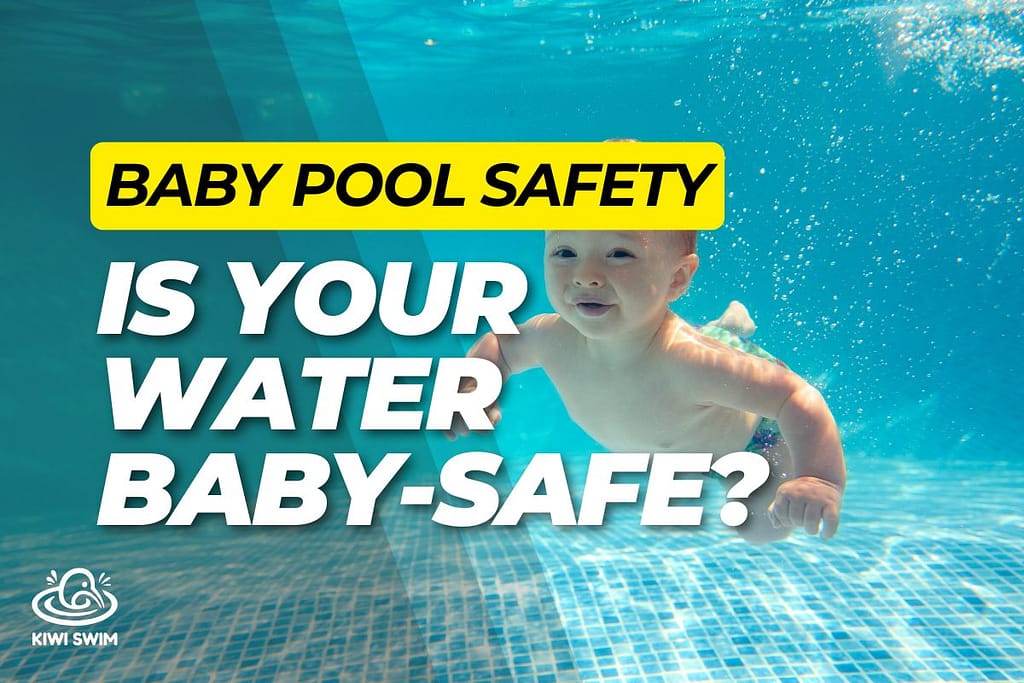
The short answer is yes, pool water can be safe for babies. But only if the pool is properly maintained, balanced, and used correctly. Babies aren’t just small adults. Their skin is thinner, their immune systems are still developing, and they’re far more sensitive to chemical imbalance, bacteria, and temperature.
If your pool water is even slightly off, a baby will usually be the first one to react.
In this guide, I’ll walk you through exactly what makes pool water safe or unsafe for babies, what causes problems, and what you can realistically manage yourself as a DIY pool owner in New Zealand. No scare tactics, no fluff, just practical advice from someone who works with pools every day.
You’re not alone in worrying about this. Most pool issues that affect babies are common, fixable, and preventable once you understand what’s actually going on in the water.
What you’ll want sorted before baby goes near the pool
Before we get into the how-to side of things, here’s what you should have on hand or at least have access to. You don’t need anything fancy or commercial grade.
- A reliable pool water test kit or digital tester
- Chlorine or sanitiser suitable for your pool type
- pH control chemicals, usually hydrochloric acid or soda ash
- A pool thermometer
- Clean, well-fitting swim nappies
- A shaded area around the pool
- Basic pool cleaning gear like a net and brush
If you’re missing one or two of these, that’s fine. But water testing is non-negotiable when babies are involved.
Why babies are more affected by pool water
This is the bit most articles gloss over, but it’s important.
Babies absorb more through their skin than adults do. Their skin barrier isn’t fully developed, which means chemicals and contaminants in pool water have a bigger impact. They’re also more likely to swallow water, even if you’re careful.
On top of that, babies can’t regulate body temperature as well. Water that feels fine to you might actually be too cold for them, especially outside of peak summer.
When pool water isn’t balanced, the first signs usually show up as:
- Red or irritated skin
- Dry patches or eczema flare-ups
- Red or itchy eyes
- Coughing after swimming
- Increased fussiness or tiredness
These aren’t “normal pool reactions” for babies. They’re warning signs.
What actually makes pool water unsafe for babies
It’s not chlorine itself, it’s bad chemistry
Chlorine gets blamed for everything, but properly balanced chlorine is actually what keeps your pool safe. The real issue is poorly managed chlorine.
Problems usually happen when:
- Chlorine levels are too low and bacteria can grow
- Chlorine levels are too high and irritate skin and lungs
- pH is out of range, making chlorine harsher or ineffective
- Chloramines build up from sweat, urine, and organic waste
Chloramines are what cause that strong “chlorine smell” people complain about. A healthy pool should barely smell at all.
If your pool smells strong, it’s not clean enough.
Bacteria and parasites are the real risk
For babies, the biggest concern isn’t chemicals, it’s microorganisms.
Warm, poorly sanitised pools can contain:
- E. coli
- Cryptosporidium
- Giardia
- Pseudomonas bacteria (often linked to rashes)
Babies who swallow contaminated water are far more likely to get sick than adults. This is why consistent sanitation matters more than running chlorine “low to be gentle”.
Low chlorine is not gentle. It’s risky.
Temperature matters more than people think
In New Zealand, most residential pools sit between 22°C and 26°C in summer unless heated.
For babies, I recommend:
- Ideal water temperature: 30°C to 32°C
- Short sessions only if below 28°C
Cold water increases stress on a baby’s body and can lead to rapid heat loss. Heated pools, spa pools set correctly, or warm shallow splash areas are much safer options.
Is pool water safe for babies if it’s saltwater?
This comes up a lot.
Saltwater pools still use chlorine. The difference is how the chlorine is generated. Saltwater chlorinators produce chlorine from salt dissolved in the water.
From a baby safety point of view:
- Saltwater pools are not chlorine-free
- Properly balanced salt pools can feel gentler on skin
- Poorly maintained salt pools can be just as harsh
High salt levels can dry out a baby’s skin, especially with longer swims. You’ll still need correct chlorine levels and pH, just like any other pool.
Safe pool chemistry ranges for babies
These are tighter than general pool guidelines, and for good reason.
I recommend aiming for:
- Free chlorine: 1.5 to 2.5 ppm
- pH: 7.2 to 7.6
- Total alkalinity: 80 to 120 ppm
- Cyanuric acid: under 30 ppm, or none at all if possible
- Water temperature: ideally 30°C or warmer
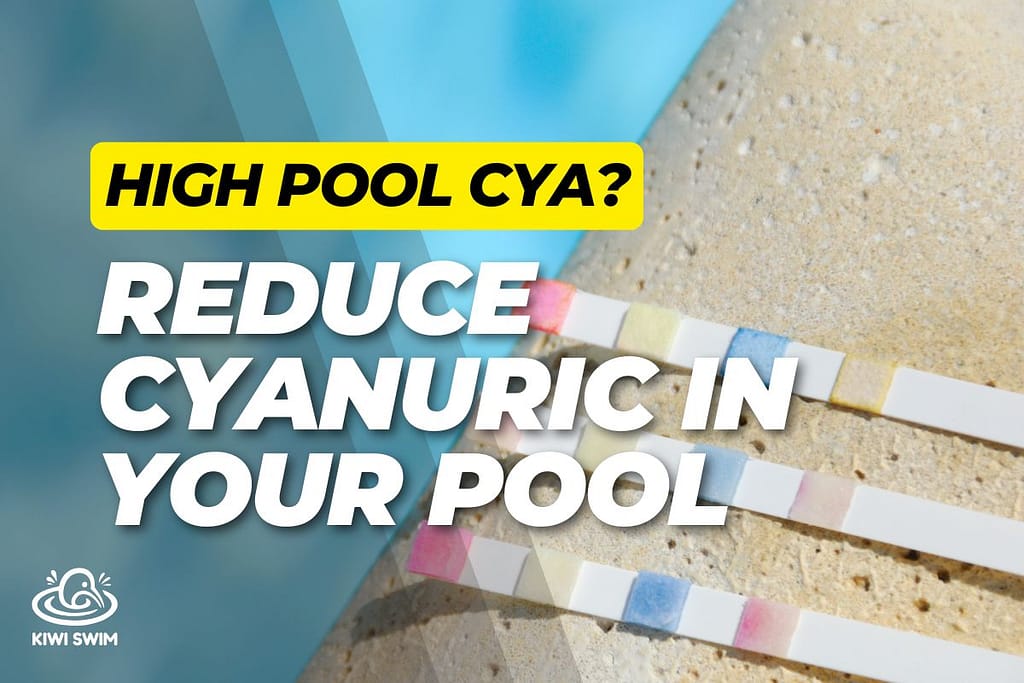
High cyanuric acid, common in outdoor Kiwi pools that rely heavily on stabilised chlorine, reduces chlorine effectiveness. That’s not ideal when babies are involved.
If you don’t know your stabiliser level, get it tested.
How to make your pool safe for babies step by step
This is the part most parents want clear answers on.
Step 1: Test your water properly
Don’t guess and don’t rely on test strips alone if you can avoid it. Strips are better than nothing, but liquid test kits or digital testers are more accurate.
Test for:
- Free chlorine
- pH
- Alkalinity
- Stabiliser
If anything is outside range, fix it before swimming.
Step 2: Balance pH first
Always adjust pH before adjusting chlorine.
If pH is too low, chlorine becomes harsh and irritating.
If pH is too high, chlorine doesn’t work properly.
Use hydrochloric acid carefully to lower pH, following label instructions. Small doses, circulate, retest.
Step 3: Adjust chlorine to a safe level
Aim for steady, consistent chlorine rather than spikes.
Avoid dumping large amounts in right before swimming. Babies should not swim during or immediately after shocking the pool.
If you’ve shocked the pool, wait until chlorine returns to normal range before letting a baby in.
Step 4: Clean the pool regularly
Organic waste increases chloramines and bacteria load.
This means:
- Skim daily if possible
- Vacuum weekly
- Clean filters on schedule
A clean pool needs less chemical correction.
Step 5: Limit baby swim time
Even in perfect water:
- Keep swims under 10 to 15 minutes at first
- Rinse baby with fresh water afterwards
- Moisturise skin if needed
Watch for any skin changes over the next 24 hours.
What to avoid if babies use your pool
These are common mistakes that I’ve seen.
- Letting babies swim during algae treatment
- Swimming right after adding chemicals
- Running chlorine too low to “be gentle”
- Ignoring stabiliser buildup
- Assuming clear water means safe water
Clear water can still be unsafe.
How long does it take to make pool water safe?
If your pool is only slightly out of balance, usually:
- 24 hours for chemical adjustments
- 1 to 3 days if filtration and sanitation need improvement
If there’s algae, cloudiness, or strong chlorine smell, it may take longer. Don’t rush it when babies are involved.
Prevention tips to keep your pool baby-safe all season
Once your pool is balanced and safe, the goal is to keep it that way without constant stress. Prevention is always easier than fixing problems after they show up.
Here’s what I recommend for Kiwi pool owners with babies.
Test little and often
When babies are using the pool, testing once a week isn’t enough.
- Test chlorine and pH at least 2 to 3 times per week
- Test after heavy rain, hot weather, or lots of swimmers
- Test before baby swim time if you’re unsure
Our NZ sun has high UV levels, which burns off chlorine faster than many people realise. Summer heat plus UV can undo a week of good chemistry in a couple of days.
Avoid stabiliser creep
Cyanuric acid buildup is one of the most overlooked issues in residential pools.
If you’re using stabilised chlorine products like trichlor tablets or dichlor powder, stabiliser slowly accumulates. Over time, chlorine becomes less effective, even if test results look fine.
For baby-safe pools, I suggest:
- Using unstabilised chlorine where possible
- Keeping stabiliser under 30 ppm
- Diluting with fresh water if levels creep up
If you’re on tank water or under water restrictions, plan dilution carefully and test before adding more stabilised chlorine.
Keep swim nappies non-negotiable
This isn’t just about hygiene, it’s about chemistry.
Even small amounts of urine dramatically increase chloramine formation, which leads to skin and eye irritation. Babies should always wear proper swim nappies designed for pools.
Regular nappies don’t work in water.
Rinse before and after swimming
A quick rinse before swimming removes sweat, lotions, and organic matter that consume chlorine.
After swimming, rinse your baby thoroughly with fresh water. This helps prevent dryness and irritation, even in well-balanced pools.
Shade and sun protection matter too
Sun exposure plays a role in how babies react to swimming.
- Use shade sails, umbrellas, or covered areas
- Avoid peak UV hours when possible
- Combine short swims with regular breaks
Overheating and sun stress can be mistaken for pool water reactions.
Common misconceptions about babies and pool water
Let’s clear up a few myths that cause confusion.
“Natural pools are safer for babies”
Not necessarily.
Natural or mineral pools still need sanitation. Without proper disinfection, bacteria can thrive. Babies don’t care whether the system is marketed as natural, they react to what’s actually in the water.
“If it doesn’t smell, it must be fine”
Smell alone isn’t reliable.
Strong chlorine smell usually means chloramines, which is bad. But lack of smell doesn’t guarantee correct sanitation either. Testing is the only way to know.
“Saltwater pools don’t irritate baby skin”
They can.
Salt can dry skin, especially if salt levels are high or swim time is long. Balanced chemistry matters more than the system type.
“A little bit of green algae isn’t a big deal”
It is.
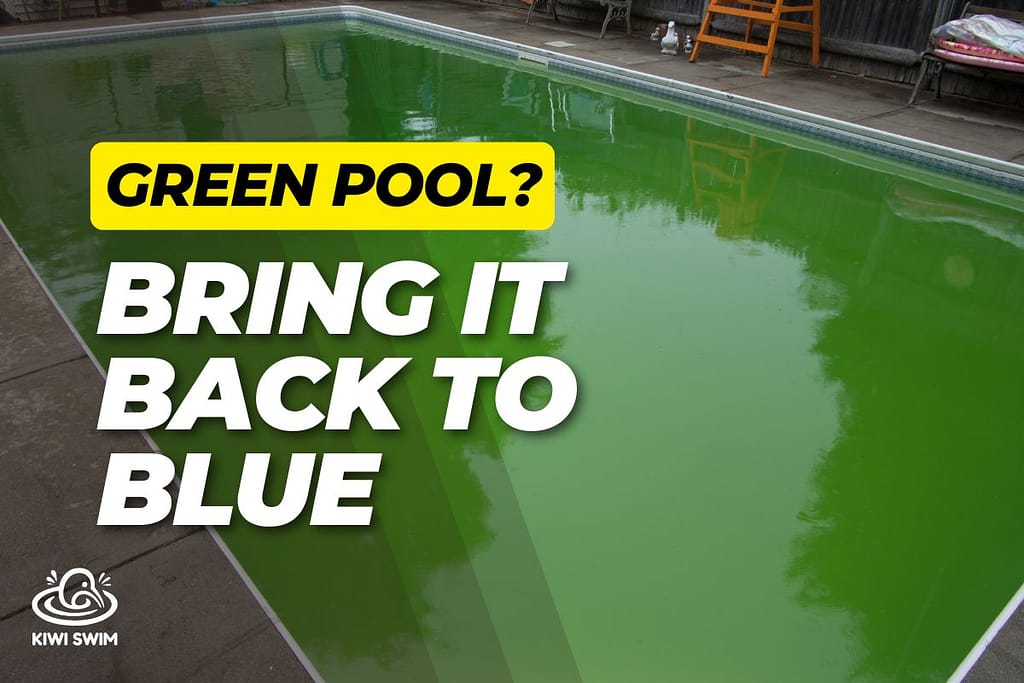
Algae indicates poor sanitation. Babies should never swim in a pool with visible algae, cloudiness, or slippery surfaces.
When to seek professional help
Some issues go beyond DIY, especially when babies are involved.
Consider calling a pool professional if:
- Water won’t hold chlorine despite repeated adjustments
- Chlorine smell persists even after shocking
- Algae keeps returning
- Stabiliser levels are very high
- Your baby reacts every time despite correct testing
A professional water analysis can identify issues home kits sometimes miss, like combined chlorine or filtration problems.
In New Zealand, many local pool shops offer free or low-cost water testing. Use them. Just make sure you understand the advice rather than blindly buying products.
Frequently Asked Questions
1. Is pool water safe for babies under 6 months?
Generally, no. Most health professionals recommend waiting until at least 6 months old. Younger babies struggle more with temperature regulation and water ingestion.
2. How long can babies stay in a pool?
Start with 5 to 10 minutes. Gradually increase to 15 minutes if water is warm and baby is comfortable.
3. Can babies swim after the pool has been shocked?
No. Wait until chlorine levels return to normal range. This can take 24 hours or longer depending on dosage and sunlight.
4. Is spa pool water safe for babies?
Usually not recommended. Spa pools often run hotter and at higher sanitiser levels. Always check manufacturer and health guidance first.
5. What should I do if my baby gets a rash after swimming?
Rinse immediately, stop pool use, and test your water. If the rash persists, consult a healthcare professional and reassess pool chemistry before swimming again.
Final thoughts: is pool water safe for babies?
So, is pool water safe for babies?
Yes, it can be. But only when the pool is properly balanced, well-maintained, and used with care. Babies are sensitive, and they react quickly to problems that adults often ignore.
The good news is you don’t need an expensive system or constant professional servicing. You just need consistent testing, correct chemistry, and realistic expectations about swim time and conditions.
If you take pool water seriously, your baby can enjoy the water safely, confidently, and happily. And once you’ve set things up properly, maintaining a baby-safe pool becomes part of your normal routine rather than a constant worry.
If you’re ever unsure, trust the test results, not how the water looks or smells. Your baby’s skin will thank you for it.